Stress and Overeating: How to Manage Emotions Without Food

For many people, food becomes a source of comfort during difficult times. When stress hits—whether from work, relationships, or daily responsibilities—it’s easy to reach for snacks or indulge in comfort foods. This pattern, known as emotional eating, can become a coping mechanism that ultimately leads to overeating, weight gain, and increased stress. The good news? With awareness and simple strategies, you can break the cycle and manage emotions without turning to food.


Why Stress Triggers Overeating

When you’re stressed, your body undergoes a chemical response. The stress hormone cortisol is released, which not only heightens alertness but also boosts appetite. This biological reaction is your body’s way of preparing for perceived threats—but in modern life, “threats” often come in the form of deadlines and emotional pressure, not physical danger.

Cortisol specifically increases cravings for high-fat, high-sugar foods. These foods trigger the brain’s reward system, releasing dopamine, which gives a temporary sense of relief and pleasure. Over time, this behavior can become habitual: stress arises, food provides comfort, and the brain learns to repeat the cycle.


How to Know If You’re Emotionally Eating

Identifying emotional eating is the first step toward change. Signs include:

  • Eating when you’re not physically hungry
  • Craving specific “comfort” foods
  • Eating mindlessly or very quickly
  • Feeling guilty, ashamed, or out of control after eating
  • Using food to soothe emotions like anger, sadness, or anxiety

Once you recognize the pattern, you can start replacing it with healthier coping methods.


Healthy Ways to Cope with Stress Without Food

  1. Pause and Check In
    When the urge to eat strikes, ask yourself: “Am I truly hungry, or am I trying to soothe an emotion?” Give yourself a moment to pause, breathe deeply, and become aware of your feelings.
  2. Develop a Coping Toolbox
    Make a list of non-food activities that help you manage stress. This could include:
  • Walking or stretching
  • Journaling your thoughts
  • Calling a friend
  • Listening to music or a podcast
  • Taking a warm bath
  • Practicing deep breathing or meditation
  1. Stick to a Meal Routine
    Skipping meals or undereating can increase vulnerability to emotional eating later in the day. Eat balanced meals regularly to keep blood sugar stable and prevent extreme hunger.
  2. Practice Mindful Eating
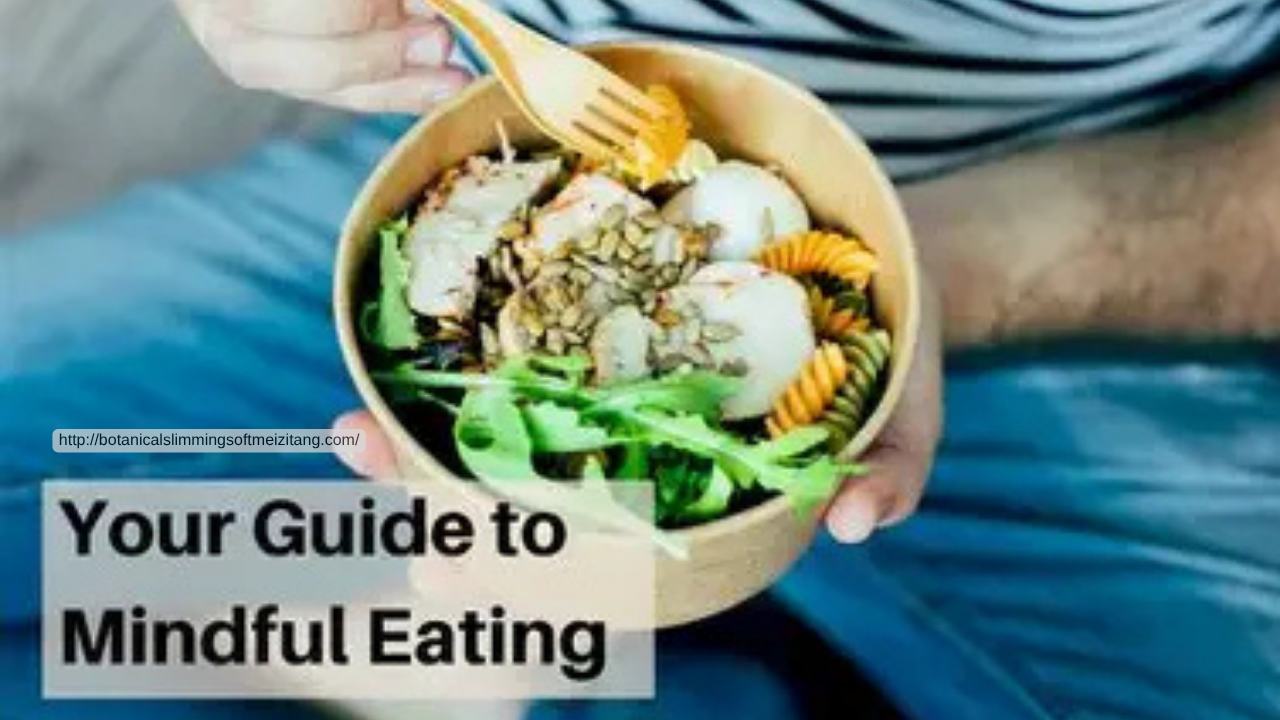
    Eat slowly and with intention. Focus on the taste, texture, and smell of your food. Mindfulness helps you tune in to true hunger and fullness cues, reducing the risk of overeating.
  3. Improve Sleep and Movement
    Lack of sleep and sedentary behavior can intensify stress and cravings. Aim for 7–9 hours of sleep and incorporate light physical activity daily to improve mood and reduce emotional triggers.
  4. Seek Support
    If emotional eating becomes overwhelming, consider talking to a therapist, counselor, or support group. You don’t have to face this struggle alone.

Final Thoughts

Food can be comforting, but it’s not a solution for stress. By recognizing emotional eating patterns and developing healthier coping skills, you can break free from the cycle and take better care of both your body and mind. Managing emotions without food is possible—and it starts with small, intentional steps.

Why You Overeat at Night and How to Break the Habit

Nighttime overeating is a common problem that can derail your health goals, disrupt sleep, and leave you feeling frustrated and out of control. You might find yourself eating large portions after dinner or snacking late into the night, even if you weren’t particularly hungry during the day. Understanding why this happens and how to stop it is the first step toward developing healthier, more balanced eating habits.

Why Do We Overeat at Night?

  1. Skipping Meals During the Day
    One of the most common reasons for nighttime overeating is not eating enough earlier in the day. If you skip breakfast, have a small lunch, or restrict calories too heavily, your body may respond with intense hunger at night, leading to bingeing or late-night snacking.
  2. Emotional Eating and Stress
    After a long, stressful day, many people turn to food for comfort and relaxation. Nighttime often brings a quiet moment of solitude—along with feelings of boredom, loneliness, or anxiety. Food becomes a quick and easy coping mechanism to deal with those emotions.
  3. Habit and Routine
    Eating at night can become a deeply ingrained habit. You might associate watching TV or winding down for bed with a bowl of ice cream or a bag of chips. Over time, this becomes automatic, regardless of actual hunger.
  4. Sleep Deprivation and Hormones
    Lack of sleep can disrupt hunger-regulating hormones like ghrelin and leptin. Ghrelin increases appetite, while leptin signals fullness. When sleep is compromised, these hormones become imbalanced, leading to increased cravings and a greater likelihood of overeating at night.
  5. Reward Mentality
    After a day of hard work or sticking to a strict diet, many people feel they’ve “earned” a treat at night. This reward mentality can lead to excessive indulgence and eating far beyond your body’s needs.

How to Break the Habit

  1. Eat Balanced Meals Throughout the Day
    Make sure you’re fueling your body properly with regular meals and snacks. Include protein, fiber, and healthy fats to keep your energy and blood sugar levels stable. When your body feels satisfied, you’re less likely to overeat at night.
  2. Identify Triggers
    Keep a journal to track your eating habits and emotions. Notice what drives you to eat at night—is it stress, boredom, or routine? Once you understand your triggers, you can begin to address them in healthier ways.
  3. Create a New Evening Routine
    Break the association between nighttime and eating by replacing the habit with something non-food related. Try reading a book, stretching, taking a warm bath, or journaling to wind down instead.
  4. Don’t Keep Trigger Foods Nearby
    If certain foods are hard to resist at night, avoid keeping them in the house or make them less accessible. Stock your kitchen with healthy options so that, if you do feel hungry, you can make a better choice.
  5. Go to Bed Earlier
    If you stay up late, you’re more likely to get hungry again, especially if dinner was hours ago. Try heading to bed earlier to reduce the opportunity for late-night snacking.

Final Thoughts

Nighttime overeating is a habit, not a failure. By identifying the reasons behind it and implementing mindful strategies, you can break the cycle and develop a healthier relationship with food. Consistency, compassion, and self-awareness are key to creating lasting change.

Would you like a checklist or meal plan idea to help reinforce these steps?

Binge Eating No More: Steps to Reduce Cravings and Stay Full Longer

Binge eating is a common struggle that affects people of all ages and backgrounds. It involves consuming large amounts of food in a short period, often accompanied by feelings of guilt, shame, and a loss of control. Fortunately, there are effective strategies that can help reduce cravings, promote satiety, and support a more balanced relationship with food. If you’re ready to say goodbye to binge eating, here are some practical steps to help you reduce cravings and stay full longer.

1. Eat Regular, Balanced Meals

One of the most important ways to prevent binge eating is to avoid extreme hunger. Skipping meals or eating too little during the day can set you up for intense cravings later on. Aim to eat three well-balanced meals and one or two snacks daily. Include protein, healthy fats, and fiber-rich carbohydrates in every meal to keep you energized and satisfied.

2. Prioritize Protein

Protein is essential for keeping hunger at bay. It helps stabilize blood sugar levels and increases feelings of fullness. Incorporate sources like eggs, chicken, fish, tofu, beans, and Greek yogurt into your diet. A protein-rich breakfast, in particular, can reduce cravings throughout the day.

3. Stay Hydrated

Sometimes we mistake thirst for hunger, leading to unnecessary snacking or overeating. Drinking enough water throughout the day supports digestion and helps regulate appetite. A good rule of thumb is to aim for about 8 cups of water daily, or more if you’re active or live in a hot climate.

4. Practice Mindful Eating

Mindful eating is about being fully present during meals. Sit down at the table, eat slowly, and pay attention to flavors, textures, and how your body feels. This helps you tune into your body’s natural hunger and fullness cues, reducing the likelihood of overeating.

5. Identify Emotional Triggers

Emotional eating is a major cause of binge eating. Many people eat to cope with stress, sadness, boredom, or loneliness. Journaling, therapy, and stress-reducing activities like walking, deep breathing, or creative hobbies can help you manage emotions without turning to food.

6. Keep Trigger Foods Out of Sight

If certain foods tend to lead to binges—like chips, cookies, or candy—consider keeping them out of your home, or at least out of easy reach. Surround yourself with nutritious, whole foods so you’re more likely to make healthier choices when hunger strikes.

7. Sleep and Manage Stress

Poor sleep and chronic stress increase levels of cortisol, a hormone that can boost cravings for sugary and fatty foods. Aim for 7–9 hours of sleep each night and find healthy ways to relax, such as meditation, yoga, or talking with a friend.

8. Seek Support

You don’t have to tackle binge eating alone. Talking to a therapist, joining a support group, or working with a registered dietitian can provide accountability, tools, and encouragement on your journey to recovery.

Final Thoughts

Binge eating is a challenge, but it’s not permanent. By nourishing your body regularly, understanding your emotional triggers, and making mindful food choices, you can reduce cravings, feel fuller longer, and reclaim control over your eating habits. Progress takes time—be patient and celebrate every step forward.

How to Overcome Food Addiction and Take Charge of Your Diet

Food addiction is a real and challenging condition that affects many people. It involves compulsive eating habits, intense cravings, and a loss of control around certain foods—especially those high in sugar, fat, and salt. Just like with substance addictions, food addiction can cause feelings of guilt, shame, and frustration. The good news is that with the right mindset and strategies, you can overcome food addiction and take charge of your diet.

Understanding Food Addiction

Food addiction isn’t about a lack of willpower. It’s rooted in how certain foods affect the brain’s reward system. When you eat highly processed foods, your brain releases dopamine, the “feel-good” hormone. Over time, your brain starts craving that dopamine rush, creating a cycle of overeating even when you’re not physically hungry.

Common signs of food addiction include:

  • Craving specific foods despite being full

  • Eating more than intended, especially when stressed

  • Feeling guilty or ashamed after eating

  • Trying to cut down but failing repeatedly

  • Using food as a way to cope with emotions

Recognizing that food addiction is a real problem is the first step toward healing.

Steps to Overcome Food Addiction

  1. Acknowledge the Problem
    The first and most important step is acceptance. Admit to yourself that food has become a problem and that you need help to manage it. This opens the door for real change.

  2. Identify Trigger Foods
    Pay attention to the foods you crave the most. Typically, these are sugary snacks, fast food, or processed foods. Make a list of these trigger foods and gradually remove them from your home to reduce temptation.

  3. Create a Structured Meal Plan
    Structure can help you regain control. Plan your meals and snacks ahead of time, focusing on balanced, nutritious foods. Include plenty of protein, healthy fats, fiber, and complex carbohydrates to keep you satisfied and reduce cravings.

  4. Practice Mindful Eating
    Mindful eating involves slowing down, savoring each bite, and paying close attention to hunger and fullness cues. This practice helps you enjoy food more and prevents mindless overeating.

  5. Develop New Coping Strategies
    Since food addiction is often tied to emotions, find healthier ways to cope with stress, sadness, or boredom. Exercise, meditation, journaling, or even creative hobbies like painting or gardening can provide the emotional release you might otherwise seek from food.

  6. Seek Support
    You don’t have to face food addiction alone. Support groups, therapy, or working with a registered dietitian can make a huge difference. Talking to others who understand your struggle can help you stay motivated and accountable.

  7. Set Realistic Goals
    Overcoming food addiction is a journey, not an overnight fix. Set small, achievable goals, like cutting out one trigger food at a time or practicing mindful eating at one meal per day. Celebrate each victory, no matter how small.

  8. Be Kind to Yourself
    Recovery is not a straight line. You may experience setbacks, but they don’t define your journey. Practice self-compassion and stay committed to making progress, not achieving perfection.

Final Thoughts

Overcoming food addiction requires patience, self-awareness, and a commitment to change. By understanding your triggers, creating a structured plan, seeking support, and developing healthier coping mechanisms, you can take charge of your diet and build a healthier, happier relationship with food. Remember, every step you take toward recovery is a step toward a stronger, more empowered you.

Would you like a short checklist version too, to make it easier to follow? 🌟

4o

The Science Behind Overeating: Why You Crave More and How to Stop

Have you ever finished a large meal and still found yourself reaching for snacks? You’re not alone. Overeating is a complex behavior influenced by brain chemistry, hormones, emotions, and environmental cues. Understanding the science behind why we crave more food—especially when we’re not truly hungry—can help us take control and make healthier choices.

Why We Crave More Food

  1. The Brain’s Reward System
    Our brains are wired to seek pleasure. When we eat foods high in sugar, fat, or salt, the brain releases dopamine—a feel-good chemical that reinforces behavior. This reward response is especially strong with highly processed or “hyperpalatable” foods. Over time, our brains may start to crave these foods, not for energy or nutrition, but for the dopamine hit they provide.

  2. Hormonal Imbalances
    Two key hormones regulate hunger: ghrelin (the hunger hormone) and leptin (the satiety hormone). Ghrelin signals when it’s time to eat, while leptin tells us when we’re full. Poor sleep, stress, and unhealthy eating can disrupt these hormones, making us feel hungrier and less satisfied even after eating.

  3. Emotional Triggers
    Stress, anxiety, boredom, and sadness can all prompt emotional eating. During times of emotional discomfort, food often serves as a coping mechanism. The comfort foods we reach for usually contain high amounts of sugar and fat, which offer temporary relief but reinforce unhealthy patterns.

  4. Environmental Cues
    Our surroundings also affect how much we eat. Large portion sizes, food advertisements, and easy access to snacks can lead to mindless eating. Simply seeing or smelling food can trigger cravings—even when we’re not physically hungry.

How to Stop Overeating

  1. Practice Mindful Eating
    Mindful eating means paying attention to what you eat and how your body feels while eating. Turn off distractions like TV or phones, chew slowly, and notice the flavors and textures of your food. This helps you recognize when you’re full and reduces the chance of overeating.

  2. Get Enough Sleep
    Lack of sleep disrupts ghrelin and leptin levels, making you feel hungrier and less full. Aim for 7–9 hours of quality sleep per night to help keep your hunger hormones in balance.

  3. Manage Stress Effectively
    Instead of turning to food when you’re stressed, try healthier coping strategies like deep breathing, walking, journaling, or calling a friend. These activities can help lower cortisol levels and reduce emotional cravings.

  4. Eat Balanced Meals
    Include a mix of protein, healthy fats, fiber, and complex carbs in your meals. These nutrients help keep blood sugar levels stable and increase satiety, which reduces the urge to snack later.

  5. Limit Processed Foods
    Highly processed foods are designed to be addictive. Reducing your intake of chips, sweets, and fast food can help you break the reward loop and reset your cravings.

  6. Plan Meals and Snacks
    Structure helps prevent impulse eating. Plan your meals and snacks ahead of time, and keep healthy options like fruits, veggies, and nuts on hand.

Final Thoughts

Overeating isn’t just a lack of willpower—it’s deeply tied to biology and environment. By understanding the science behind your cravings and using practical strategies to manage them, you can take control of your eating habits and support a healthier, more balanced life.

Emotional Eating vs. True Hunger: How to Tell the Difference

Many people struggle to differentiate between emotional eating and true hunger. Emotional eating is when you eat in response to feelings rather than physical hunger. It often leads to overeating and unhealthy food choices. On the other hand, true hunger is your body’s natural signal that it needs nourishment. Learning to distinguish between the two can help you develop a healthier relationship with food and prevent unnecessary weight gain.

Understanding Emotional Eating

Emotional eating occurs when food is used as a coping mechanism for stress, boredom, sadness, or even happiness. Instead of eating to fuel the body, emotional eating provides temporary relief from uncomfortable emotions. However, this relief is short-lived and often followed by guilt or regret.

Common Triggers of Emotional Eating:

  • Stress – High levels of stress cause the body to release cortisol, a hormone that increases cravings for sugary and fatty foods.

  • Boredom – Eating out of boredom provides temporary stimulation but is not driven by physical hunger.

  • Loneliness or Sadness – Some people turn to comfort foods to soothe feelings of loneliness, depression, or anxiety.

  • Habits and Memories – Eating may be associated with certain activities, such as snacking while watching TV or eating dessert after every meal.

Recognizing True Hunger

True hunger is the body’s way of signaling that it needs energy and nutrients. It builds gradually and comes with physical signs such as stomach growling, low energy, or slight dizziness.

Signs of True Hunger:

  • A gradual increase in hunger over time

  • Physical symptoms like stomach rumbling, lightheadedness, or weakness

  • Open-mindedness about food choices (not just craving specific comfort foods)

  • Feeling satisfied after eating an appropriate portion

How to Tell the Difference

To determine whether you are experiencing emotional eating or true hunger, ask yourself these questions:

  1. Did my hunger come on suddenly or gradually?

    • Sudden cravings for specific foods, especially sweets or junk food, are often emotional.

    • Gradual hunger that intensifies over time is usually physical hunger.

  2. What am I craving?

    • If you’re only interested in a particular comfort food (like chips, chocolate, or ice cream), it’s likely emotional hunger.

    • If you’re open to eating a balanced meal, your body is genuinely hungry.

  3. Do I feel physical hunger signals?

    • If your stomach is growling, you feel weak, or you have low energy, it’s likely true hunger.

    • If you just ate recently and have no physical symptoms, it may be emotional eating.

  4. Am I using food to cope with emotions?

    • If you’re eating because of stress, boredom, or sadness, it’s emotional eating.

    • If you’re eating to satisfy your body’s energy needs, it’s true hunger.

How to Overcome Emotional Eating

  1. Find Alternative Coping Mechanisms – Instead of turning to food, try journaling, exercising, meditating, or talking to a friend.

  2. Pause Before Eating – When a craving strikes, wait 10–15 minutes and see if it passes. This helps you determine if you’re truly hungry.

  3. Eat Balanced Meals – Eating nutrient-dense meals throughout the day helps prevent emotional cravings and keeps you satisfied longer.

  4. Practice Mindful Eating – Focus on your meals, chew slowly, and pay attention to your body’s hunger and fullness cues.

  5. Manage Stress – Engage in stress-reducing activities like yoga, deep breathing, or outdoor walks to reduce emotional eating triggers.

Final Thoughts

Recognizing the difference between emotional eating and true hunger is key to developing a healthier relationship with food. By becoming more aware of your eating habits and finding alternative ways to cope with emotions, you can break the cycle of emotional eating and nourish your body in a way that supports your well-being.

10 Proven Strategies to Curb Overeating and Build Healthy Habits

Overeating is a common challenge that can lead to weight gain, digestive issues, and an unhealthy relationship with food. Many factors, including stress, emotions, and poor eating habits, contribute to overeating. However, by adopting simple yet effective strategies, you can regain control over your eating habits and develop a healthier relationship with food. Here are ten proven strategies to help you curb overeating and build sustainable, healthy habits.

1. Practice Mindful Eating

Mindful eating involves being fully present during meals, savoring each bite, and paying attention to your hunger and fullness cues. Avoid distractions like TV or smartphones while eating, chew slowly, and focus on the flavors and textures of your food. This practice helps prevent mindless overeating and enhances meal satisfaction.

2. Identify Emotional Triggers

Many people eat not out of hunger but as a response to stress, boredom, or sadness. Keep a food journal to track when and why you eat. If emotions trigger your cravings, find alternative coping mechanisms, such as exercise, journaling, or talking to a friend.

3. Eat Protein-Rich Meals

Protein helps regulate hunger hormones and keeps you full for longer. Including lean proteins such as chicken, fish, tofu, eggs, or legumes in your meals can reduce cravings and prevent unnecessary snacking.

4. Stay Hydrated

Dehydration can sometimes be mistaken for hunger. Before reaching for a snack, try drinking a glass of water and waiting a few minutes to see if your cravings subside. Staying well-hydrated throughout the day can help regulate appetite and support digestion.

5. Avoid Skipping Meals

Skipping meals can lead to extreme hunger, increasing the likelihood of overeating later in the day. Instead of skipping meals, aim for balanced, nutritious meals throughout the day to maintain steady energy levels and prevent binge eating.

6. Use Smaller Plates and Bowls

Portion sizes have increased over the years, leading many people to eat more than they need. Using smaller plates and bowls can trick your brain into thinking you’re eating more, helping you naturally consume less food without feeling deprived.

7. Plan Your Meals and Snacks

Having a structured meal plan can prevent impulsive food choices. Prepare healthy meals and snacks in advance so that you’re less likely to grab unhealthy options when hunger strikes. Keep nutritious snacks like nuts, fruit, or yogurt on hand.

8. Get Enough Sleep

Lack of sleep can disrupt hunger hormones, making you crave unhealthy, high-calorie foods. Aim for 7–9 hours of quality sleep each night to keep your appetite-regulating hormones in balance and prevent overeating.

9. Reduce Processed and Sugary Foods

Highly processed foods and sugary snacks can lead to blood sugar spikes and crashes, causing increased cravings and overeating. Focus on whole foods like fruits, vegetables, whole grains, and lean proteins to keep your energy stable and reduce hunger.

10. Practice Portion Control

Even healthy foods can lead to overeating if portions are too large. Use measuring cups, portion your meals in advance, and listen to your body’s hunger and fullness signals. Learning proper portion control can help you maintain a balanced diet without feeling restricted.

Final Thoughts

Overcoming overeating and building healthy habits requires consistency and mindfulness. By implementing these ten strategies, you can gain better control over your eating, improve your health, and develop a more positive relationship with food. Small changes over time lead to lasting results, so start with a few strategies and gradually incorporate more into your routine.

Mindful Eating: The Key to Overcoming the Urge to Overeat

Overeating is a common struggle that affects millions of people. Whether triggered by stress, boredom, or emotional distress, overeating can lead to weight gain, health problems, and feelings of guilt or frustration. However, breaking the cycle of overeating is possible with the right strategies and mindset. By understanding the root causes of overeating and implementing healthier habits, you can regain control and develop a more balanced relationship with food.

Understanding Why You Overeat

The first step to stopping overeating is identifying what triggers it. Common causes include:

  • Emotional Eating – Many people turn to food as a way to cope with stress, sadness, or anxiety. Food provides temporary comfort, but it doesn’t solve the underlying emotional issues.
  • Mindless Eating – Eating while watching TV, working, or scrolling on your phone can lead to overconsumption without realizing it.
  • Dieting and Restriction – Depriving yourself of certain foods can backfire, leading to intense cravings and binge eating.
  • Habit and Routine – Overeating can become a habit, especially if you’re used to eating large portions or snacking at specific times, regardless of hunger.

Strategies to Break Free from Overeating

  1. Practice Mindful Eating
    Mindful eating means paying full attention to your food, savoring every bite, and recognizing when you’re full. Eat without distractions, chew slowly, and listen to your body’s hunger signals. This helps you enjoy your meals more while preventing overeating.

  2. Identify Emotional Triggers
    Keep a journal to track when and why you overeat. Are you stressed? Bored? Lonely? Once you recognize the emotional triggers, find healthier ways to cope, such as exercise, meditation, or talking to a friend.

  3. Eat Balanced Meals
    Eating nutritious, satisfying meals can prevent excessive hunger, which often leads to overeating. Focus on whole foods, lean proteins, healthy fats, and fiber-rich foods that keep you full longer.

  4. Stay Hydrated
    Sometimes, thirst is mistaken for hunger. Drinking enough water throughout the day can help control cravings and reduce the urge to snack unnecessarily.

  5. Avoid Extreme Dieting
    Restrictive diets can lead to feelings of deprivation and eventually cause binge eating. Instead of eliminating entire food groups, aim for balance and moderation in your eating habits.

  6. Use Smaller Plates and Portions
    Portion control is key to preventing overeating. Serve meals on smaller plates, and pay attention to portion sizes to avoid mindless overconsumption.

  7. Plan Your Meals and Snacks
    Having a meal plan can help you make healthier choices and avoid impulsive eating. Keep healthy snacks on hand to prevent reaching for processed or high-calorie foods.

  8. Get Enough Sleep
    Lack of sleep can disrupt hunger hormones and increase cravings for unhealthy foods. Prioritize quality sleep to maintain better control over your eating habits.

  9. Seek Professional Support
    If overeating is a persistent struggle, consider seeking guidance from a nutritionist, therapist, or support group. Professional help can provide personalized strategies to help you break free from overeating.

Final Thoughts

Overcoming overeating takes time and effort, but with small, consistent changes, you can regain control of your eating habits. By being mindful, addressing emotional triggers, and making healthier choices, you can break the cycle and develop a more positive relationship with food.

Breaking the Cycle: How to Stop Overeating and Regain Control

Overeating is a common struggle that affects millions of people. Whether triggered by stress, boredom, or emotional distress, overeating can lead to weight gain, health problems, and feelings of guilt or frustration. However, breaking the cycle of overeating is possible with the right strategies and mindset. By understanding the root causes of overeating and implementing healthier habits, you can regain control and develop a more balanced relationship with food.

Understanding Why You Overeat

The first step to stopping overeating is identifying what triggers it. Common causes include:

  • Emotional Eating – Many people turn to food as a way to cope with stress, sadness, or anxiety. Food provides temporary comfort, but it doesn’t solve the underlying emotional issues.
  • Mindless Eating – Eating while watching TV, working, or scrolling on your phone can lead to overconsumption without realizing it.
  • Dieting and Restriction – Depriving yourself of certain foods can backfire, leading to intense cravings and binge eating.
  • Habit and Routine – Overeating can become a habit, especially if you’re used to eating large portions or snacking at specific times, regardless of hunger.

Strategies to Break Free from Overeating

  1. Practice Mindful Eating
    Mindful eating means paying full attention to your food, savoring every bite, and recognizing when you’re full. Eat without distractions, chew slowly, and listen to your body’s hunger signals. This helps you enjoy your meals more while preventing overeating.
  2. Identify Emotional Triggers
    Keep a journal to track when and why you overeat. Are you stressed? Bored? Lonely? Once you recognize the emotional triggers, find healthier ways to cope, such as exercise, meditation, or talking to a friend.
  3. Eat Balanced Meals
    Eating nutritious, satisfying meals can prevent excessive hunger, which often leads to overeating. Focus on whole foods, lean proteins, healthy fats, and fiber-rich foods that keep you full longer.
  4. Stay Hydrated
    Sometimes, thirst is mistaken for hunger. Drinking enough water throughout the day can help control cravings and reduce the urge to snack unnecessarily.
  5. Avoid Extreme Dieting
    Restrictive diets can lead to feelings of deprivation and eventually cause binge eating. Instead of eliminating entire food groups, aim for balance and moderation in your eating habits.
  6. Use Smaller Plates and Portions
    Portion control is key to preventing overeating. Serve meals on smaller plates, and pay attention to portion sizes to avoid mindless overconsumption.
  7. Plan Your Meals and Snacks
    Having a meal plan can help you make healthier choices and avoid impulsive eating. Keep healthy snacks on hand to prevent reaching for processed or high-calorie foods.
  8. Get Enough Sleep
    Lack of sleep can disrupt hunger hormones and increase cravings for unhealthy foods. Prioritize quality sleep to maintain better control over your eating habits.
  9. Seek Professional Support
    If overeating is a persistent struggle, consider seeking guidance from a nutritionist, therapist, or support group. Professional help can provide personalized strategies to help you break free from overeating.

Final Thoughts

Overcoming overeating takes time and effort, but with small, consistent changes, you can regain control of your eating habits. By being mindful, addressing emotional triggers, and making healthier choices, you can break the cycle and develop a more positive relationship with food.

Understanding the Triggers: How to Address the Root Causes of Overeating

Overeating is a common challenge many people face, often driven by emotional, psychological, or environmental factors. It’s rarely just about food; instead, it’s usually tied to deeper issues that push individuals to consume more than their body needs. By understanding and addressing these triggers, you can break free from unhealthy eating patterns and build a balanced relationship with food.

What Are Overeating Triggers?

Overeating triggers are external or internal cues that prompt you to eat, even when you’re not physically hungry. These triggers can be emotional, such as stress or boredom, or situational, like social gatherings or large portion sizes. Recognizing these triggers is the first step in overcoming overeating.

Common Overeating Triggers

  1. Emotional Distress
    Stress, anxiety, sadness, or loneliness often lead to emotional eating. Food, particularly high-calorie comfort foods, can temporarily provide a sense of relief or distraction from negative emotions.
  2. Habitual Eating
    Overeating can become a habit, such as snacking while watching TV or eating out of boredom. These behaviors are often automatic, driven by routines rather than hunger.
  3. Environmental Cues
    The presence of food, such as a candy dish on a coworker’s desk or the smell of fresh pastries, can prompt overeating. Social settings like parties or family dinners, where food is abundant, can also lead to overindulgence.
  4. Dieting and Restriction
    Paradoxically, strict dieting or food restrictions can lead to overeating. When the body feels deprived, it may respond with intense cravings and binge eating.
  5. Sleep Deprivation and Fatigue
    Lack of sleep can disrupt hunger-regulating hormones like leptin and ghrelin, leading to increased appetite and cravings for high-calorie foods.

Steps to Address Overeating Triggers

  1. Identify Your Triggers
    The first step in addressing overeating is to identify what drives your behavior. Keep a food journal to track what, when, and why you eat. Note your emotions, surroundings, and any specific cravings. Patterns will emerge, giving you insight into your triggers.
  2. Develop Healthy Coping Mechanisms
    If emotional distress is a trigger, find healthier ways to cope. Practice stress management techniques like deep breathing, meditation, or exercise. Journaling, talking to a friend, or engaging in a hobby can also help you process emotions without turning to food.
  3. Practice Mindful Eating
    Mindful eating involves paying full attention to your eating experience. Focus on the taste, texture, and aroma of your food. Eat slowly, chew thoroughly, and stop eating when you feel satisfied, not stuffed. This practice helps you reconnect with your body’s hunger and fullness cues.
  4. Create a Supportive Environment
    Remove temptation by keeping unhealthy snacks out of sight and stocking your home with nutritious options. Use smaller plates to control portion sizes and limit eating in distracting environments like in front of the TV.
  5. Address Sleep and Lifestyle Factors
    Prioritize getting enough sleep and maintaining a regular sleep schedule. Incorporate physical activity into your daily routine to manage stress and boost mood. A well-rested and active body is less likely to crave excess food.
  6. Seek Professional Help if Needed
    If overeating feels overwhelming, consider seeking help from a therapist or registered dietitian. Cognitive-behavioral therapy (CBT) can be particularly effective in identifying and changing thought patterns that drive overeating.

Building a Healthier Relationship with Food

Overcoming overeating is not about strict rules or deprivation but about addressing the root causes and learning to respond to your body’s true needs. Be patient and kind to yourself as you navigate this journey. Each step you take toward understanding and managing your triggers brings you closer to a balanced and sustainable way of eating.

Conclusion

Overeating often has less to do with hunger and more to do with emotional or situational triggers. By identifying these underlying causes, practicing mindful eating, and adopting healthier coping mechanisms, you can break the cycle and foster a positive relationship with food. With time, effort, and self-compassion, you can regain control and enjoy a healthier, more fulfilling life.