For many people, overeating is not just a matter of willpower. It is often deeply connected to emotional triggers, stress, and habitual patterns that can develop over years. Individuals in recovery from addiction or those managing mental health challenges may find that food becomes a source of comfort, distraction, or coping. Mindful eating offers a practical, compassionate, and science-backed approach to transform these habits, helping you move from cravings to conscious control and rebuilding a healthier relationship with food.
At Botanical Slimming Soft Meizitang, our holistic, faith-based, and individualized programs emphasize the connection between mind, body, and spirit. Mindful eating fits seamlessly into this approach, providing a daily tool for emotional regulation, physical wellness, and long-term recovery.
Understanding Cravings and Overeating
Emotional and Habitual Triggers
Cravings often arise not from physical hunger but from emotional needs. Stress, anxiety, loneliness, and fatigue can all drive the urge to eat, especially high-calorie or sugary foods. Over time, these patterns can become habitual, creating cycles of impulsive eating that leave you feeling guilty or out of control.
How Addiction and Eating Patterns Intersect
For individuals in addiction recovery, compulsive eating can mirror the behaviors of substance dependence. Both involve seeking external sources of relief for internal discomfort. Recognizing these patterns is essential to breaking free, and mindful eating provides a way to consciously respond to cravings rather than react automatically.
What Is Mindful Eating?
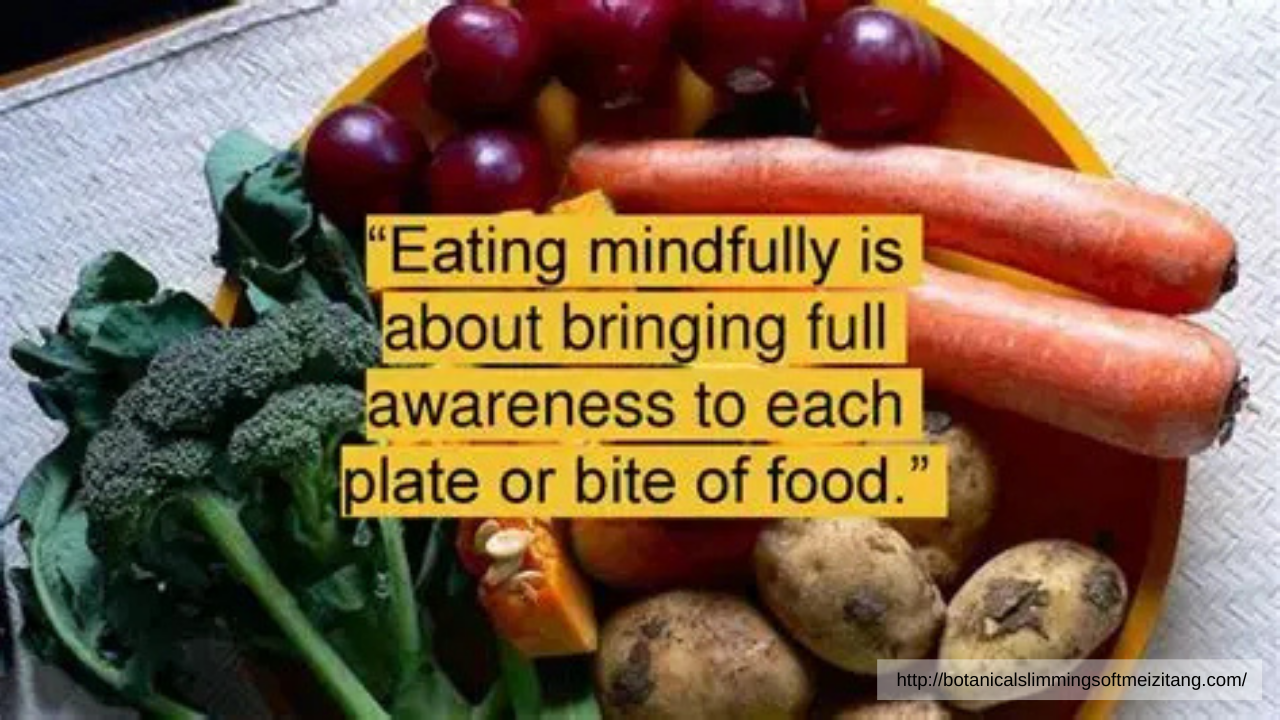
Mindful eating is the practice of bringing full awareness to the experience of eating. This means noticing the taste, texture, and aroma of your food, as well as observing your body’s hunger and fullness signals. Unlike strict diets or punitive measures, mindful eating emphasizes self-compassion and conscious choice.
By incorporating mindfulness into meals, you can identify emotional triggers, pause before reacting, and make intentional decisions that serve your physical and emotional well-being.
Benefits of Mindful Eating
1. Reclaiming Control
Mindful eating helps you distinguish between true hunger and emotional cravings. By slowing down and observing your impulses, you gain the ability to choose when and what to eat intentionally.
2. Reducing Emotional Eating
When cravings strike, mindful eating encourages you to pause and ask: Am I physically hungry, or am I responding to stress or emotion? This awareness allows healthier coping strategies to replace impulsive eating behaviors.
3. Enhancing Self-Compassion
Breaking cycles of overeating requires patience. Mindful eating fosters a compassionate mindset, reducing guilt and shame and promoting a positive, nonjudgmental relationship with food.
4. Supporting Overall Health
Practicing mindful eating improves digestion, regulates appetite, and encourages balanced nutrition. Over time, it also reinforces self-awareness and emotional resilience, supporting long-term recovery goals.
Practical Strategies for Mindful Eating
- Pause Before You Eat: Take a few breaths and check in with your body and emotions.
- Eat Slowly: Savor flavors, textures, and aromas, putting utensils down between bites.
- Eliminate Distractions: Turn off screens and create a calm environment to focus on your meal.
- Journal Your Triggers: Track feelings and cravings to identify patterns over time.
- Integrate Support: Combine mindful eating with holistic or faith-based recovery programs for stronger emotional and physical outcomes.
Taking the Next Step
Mindful eating is more than a technique; it is a tool for empowerment. By learning to observe cravings, respond intentionally, and connect with your body, you can break cycles of overeating and regain control over your health.
At Botanical Slimming Soft Meizitang, our individualized programs provide the guidance, support, and holistic care needed to strengthen both emotional and physical well-being. If you struggle with cravings, emotional eating, or addictive patterns, reach out today to explore compassionate, client-centered care designed to help you achieve lasting freedom and balance.